01
◐
Product-focused web platforms
End-to-end SaaS surfaces — onboarding, dashboards, billing — built around the workflows your users actually run.
We design and engineer software where strategy, interface and infrastructure are one continuous decision.
End-to-end SaaS surfaces — onboarding, dashboards, billing — built around the workflows your users actually run.
Pipelines, schemas and APIs designed for the long arc — performant today, legible to the team a year from now.
Infrastructure that disappears under the product. Interfaces that treat clarity as a feature.
Every product is a hypothesis tree. We map it before we render it. Decisions get traceable, scope gets honest, debt stays small.
Speed is a UX layer. We measure cold-start, time-to-meaningful-data, and bundle weight as design constraints, not afterthoughts.
Density and calm in the same frame. We strip the surface until only what informs the next action remains visible.
A digital initiative transforming Egyptian cultural heritage into structured, explorable systems — E-Cards archive and a 200,000+ point map of Old Cairo.
A digital initiative focused on transforming cultural heritage into structured, explorable systems — archives, maps, and interfaces that let history be navigated, not just preserved.
Card-based navigation that prioritises imagery and provenance — every record reads like an object, not a row.
Multi-axis filters: era, dynasty, region, medium, custodian. Built for researchers, openable by anyone.
A curator-facing CMS with structured fields, version history, and bilingual rendering — as careful with metadata as with the artefact.
Citable URLs, machine-readable schemas, and a reading mode that respects the source.
Mosques, sabils, gates, courtyards — surfaced as clickable points, each with a record card and a real coordinate.
PostGIS under the hood — queries by neighbourhood, by century, by typology. Pan, zoom, filter, link.
Bilingual labels, audio walks, route planning, and exportable itineraries — the city as a product surface.
A public dataset researchers and developers can build on top of — schemas first, surfaces second.
Transforming real-world environments into digital 3D experiences. Photogrammetry, point clouds, and meshes — captured, rebuilt, and prepared for immersive use.
▸ View Qubbah el Kholafaa on SketchfabHundreds to thousands of overlapping images and laser sweeps, gathered on-site to preserve geometry, texture and material response.
A point cloud is solved into a mesh; the mesh is retopologized; PBR maps are baked. The site exists, twice.
Optimized for WebGL, AR, VR, and game engines — without losing the fidelity that made the original worth preserving.
Creates digital assets that extend physical spaces into new formats — archive, learn, build inside them.
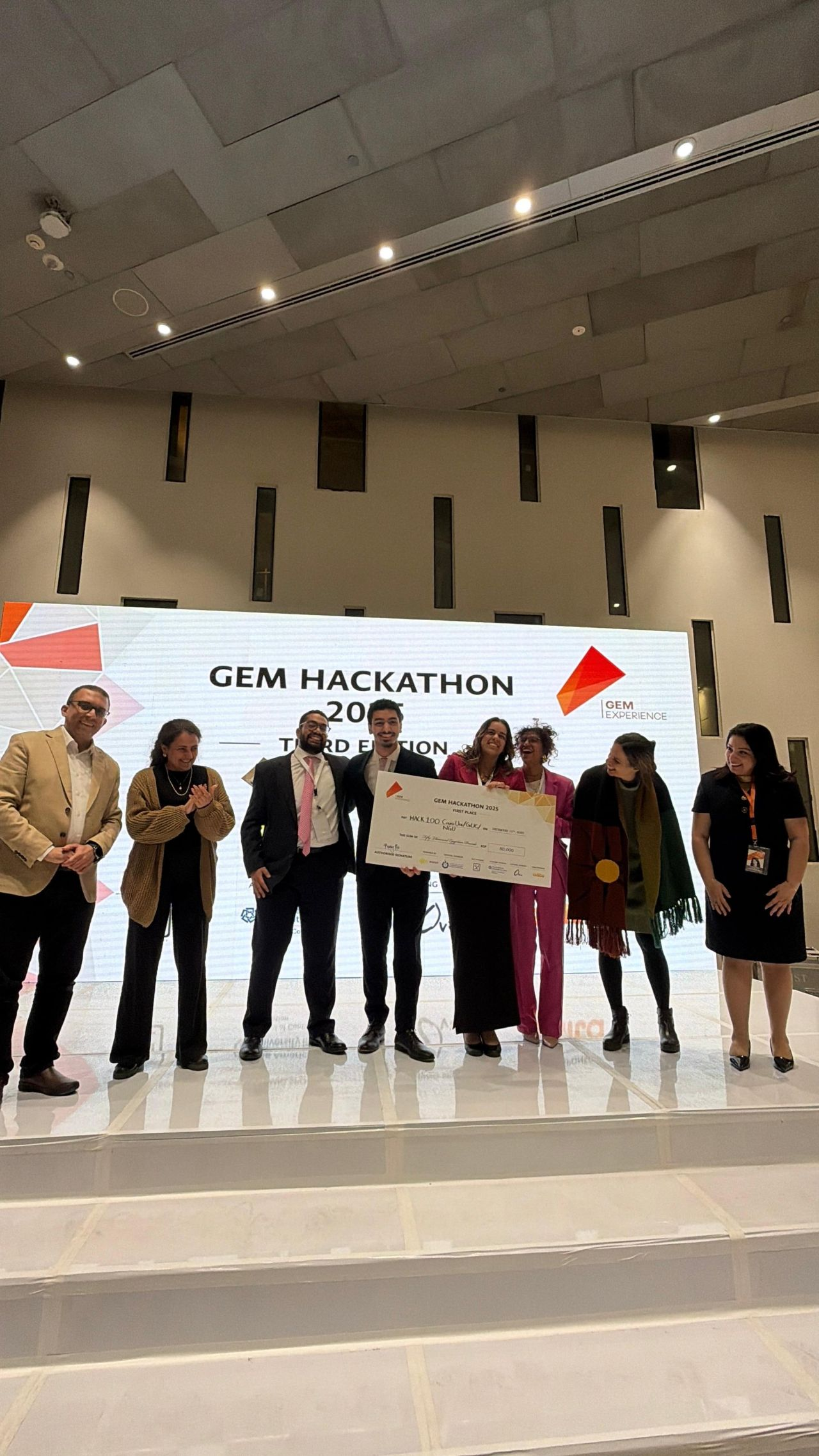
A small archive of moments where the work was named, ranked, broadcast, or sent forward — kept here in the manner of a passport: a record of where it has travelled.
Museums shouldn't be a one-way experience. The brief: how can GEM turn every visitor interaction into both a memorable journey and actionable insight?
We shipped a Progressive Web App — visitors scan artefact QR codes, collect digital stamps, redeem loyalty points, and export their visit as a printable passport at the gift shop.
Behind the scenes: a feedback dashboard that aggregates scans + responses so curators can see what's resonating, where engagement drops, and reply through the same channel.
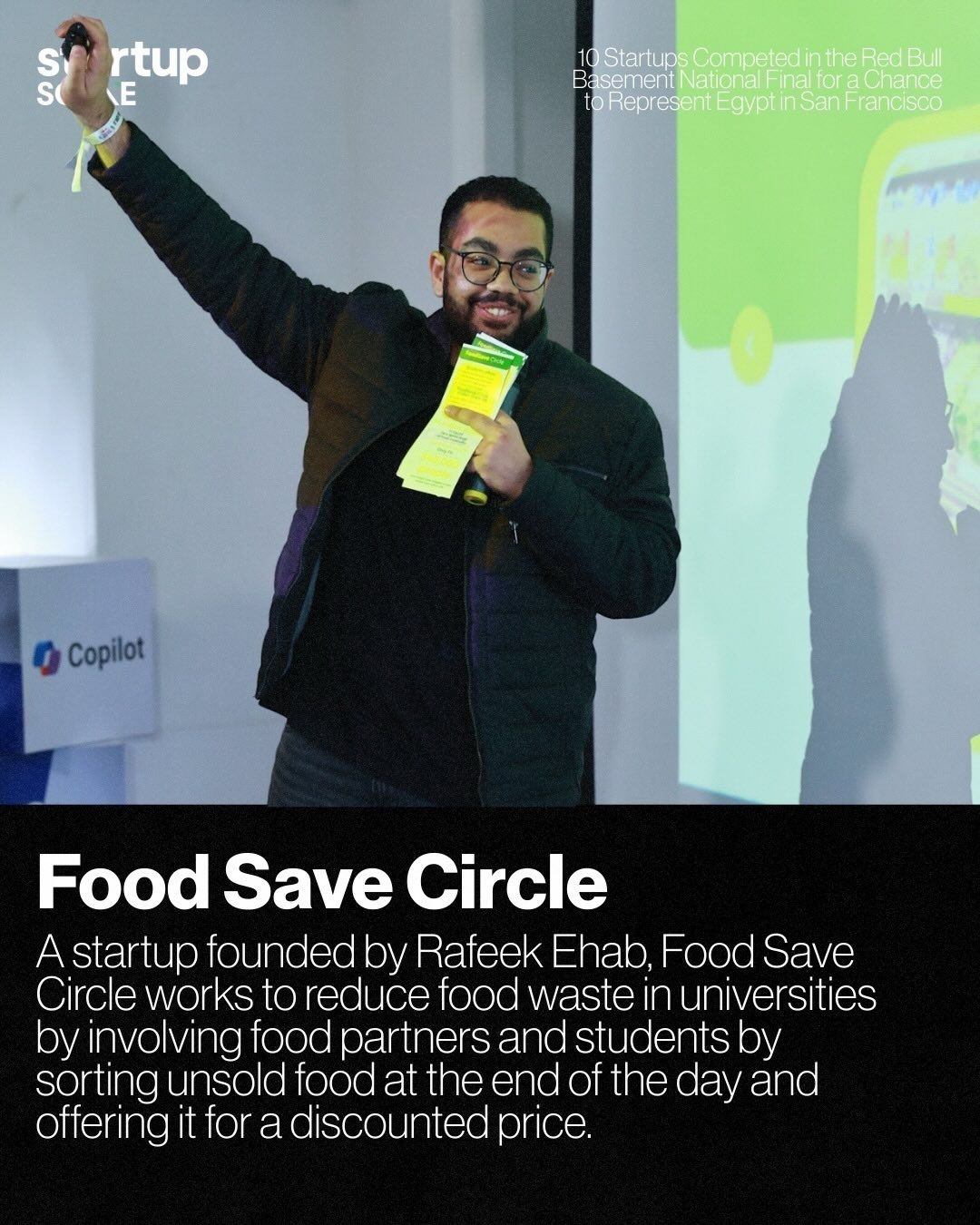
Food Save Circle — a startup founded by Rafeek Ehab — works to reduce food waste in universities by involving food partners and students, sorting unsold food at the end of the day and offering it for a discounted price.
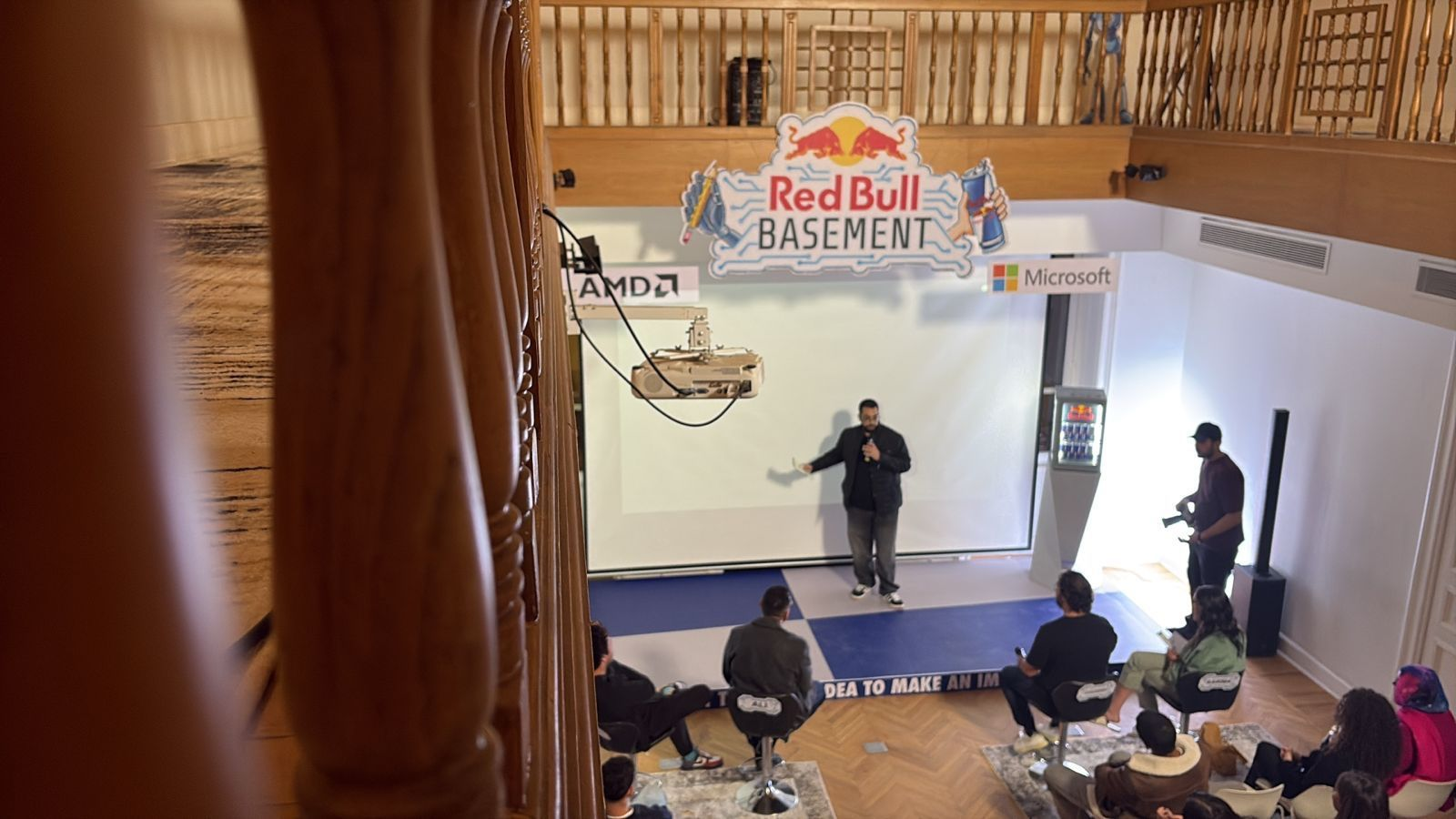
Selected from a national field, the project earned a place in the Red Bull Basement Egypt finals showcase — competing for a chance to represent Egypt in San Francisco.
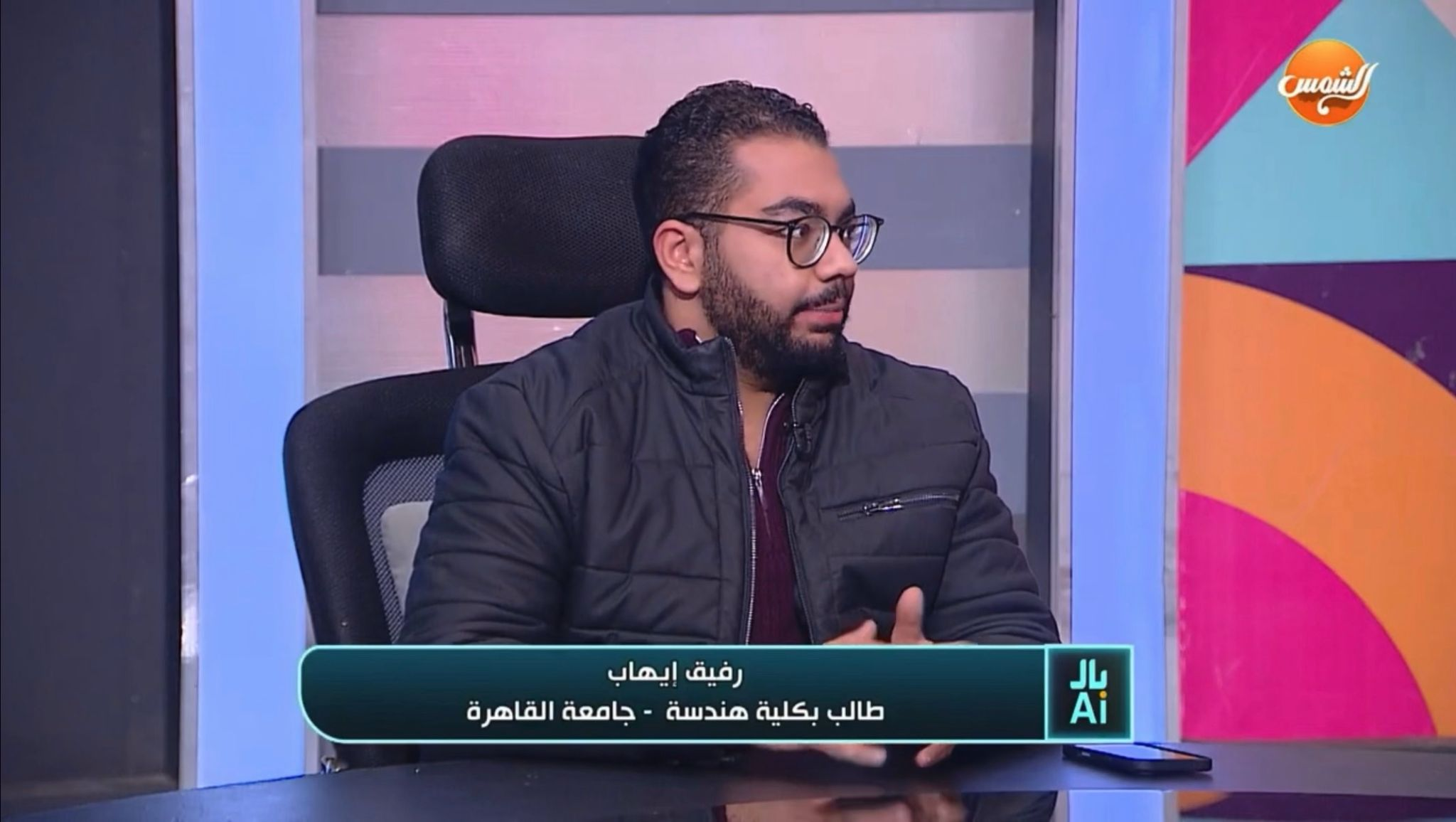
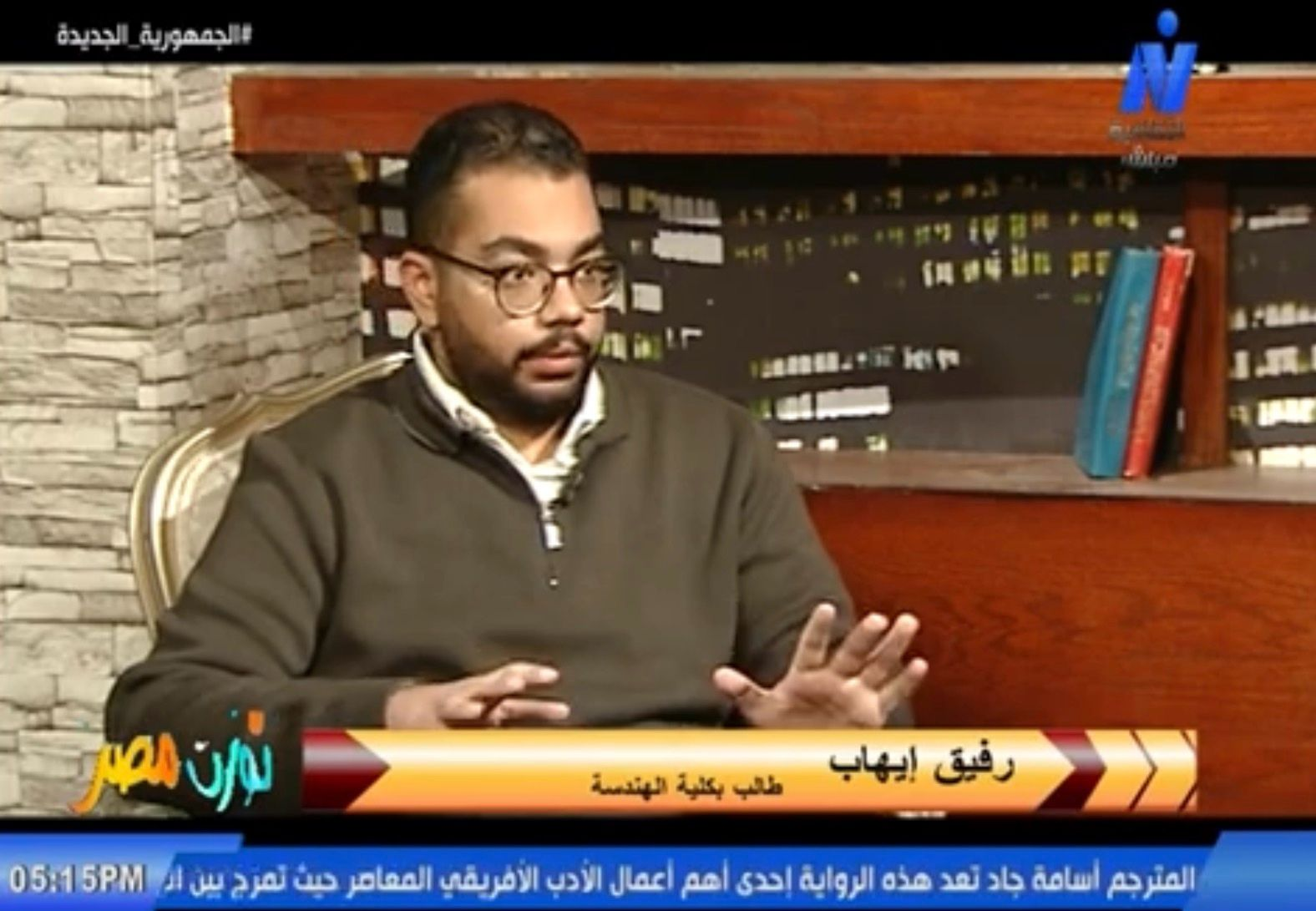
Recently had the chance to appear on television and discuss topics I genuinely care about — the intersection of AI, engineering and Egyptian heritage, and what young builders can do with all three.
Thankful to Al Shams TV for hosting me on “بالAI” and to Nile Culture TV for “نورت مصر”.
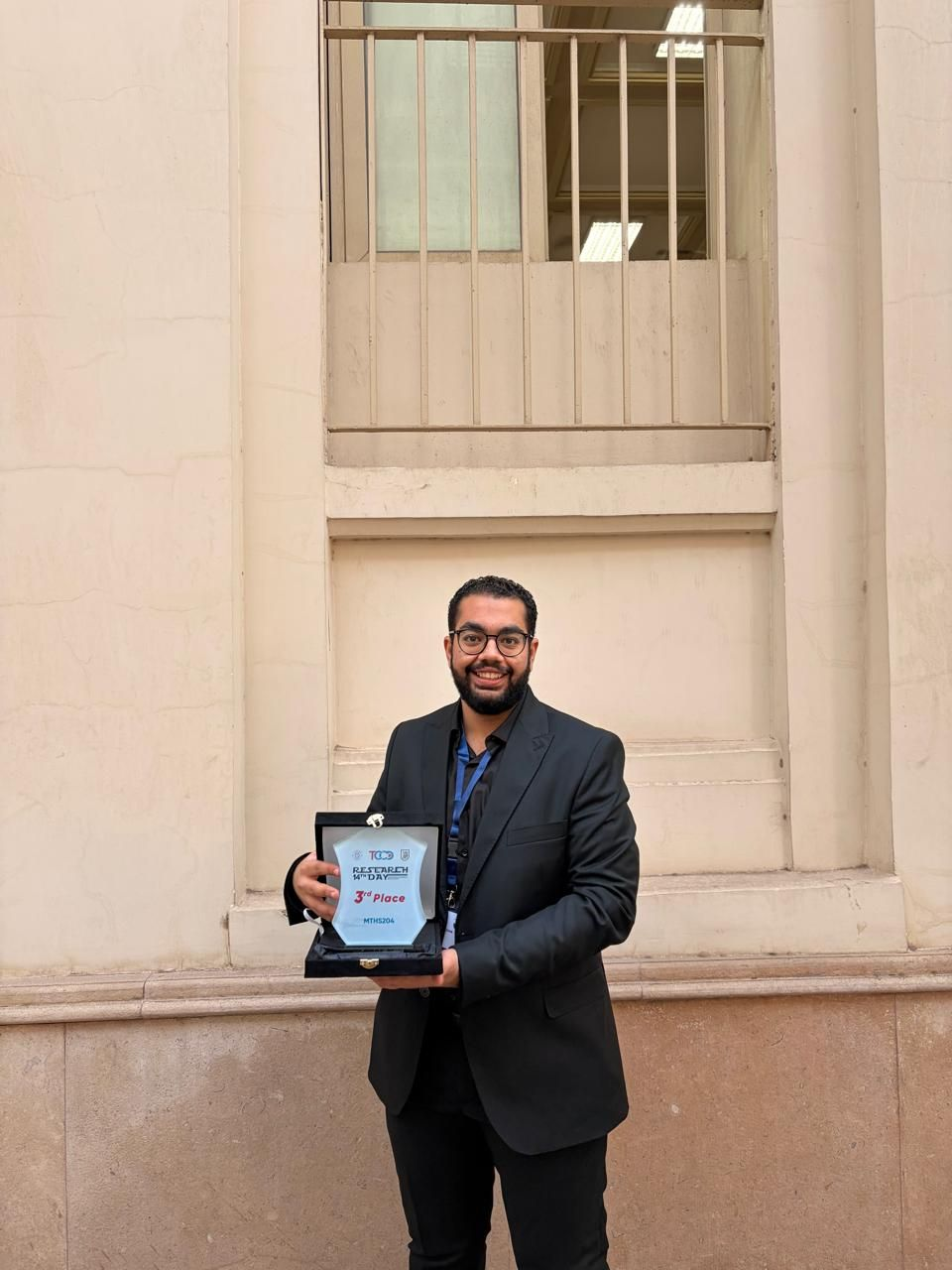
Honored to share that our team Deviants won 3rd place at the 14th Research Day organized by TCCD – Career Center.
Our project — “Statistical Analysis of Anomaly Detection in IoT Networks”— was a really fun challenge. From turning an idea into a working demo to presenting it to a wider audience, I'm grateful for how much I learned through the process and proud of what we achieved together.
The work continues — open archives, structured maps, careful interfaces, and the occasional appearance on someone else's stage.
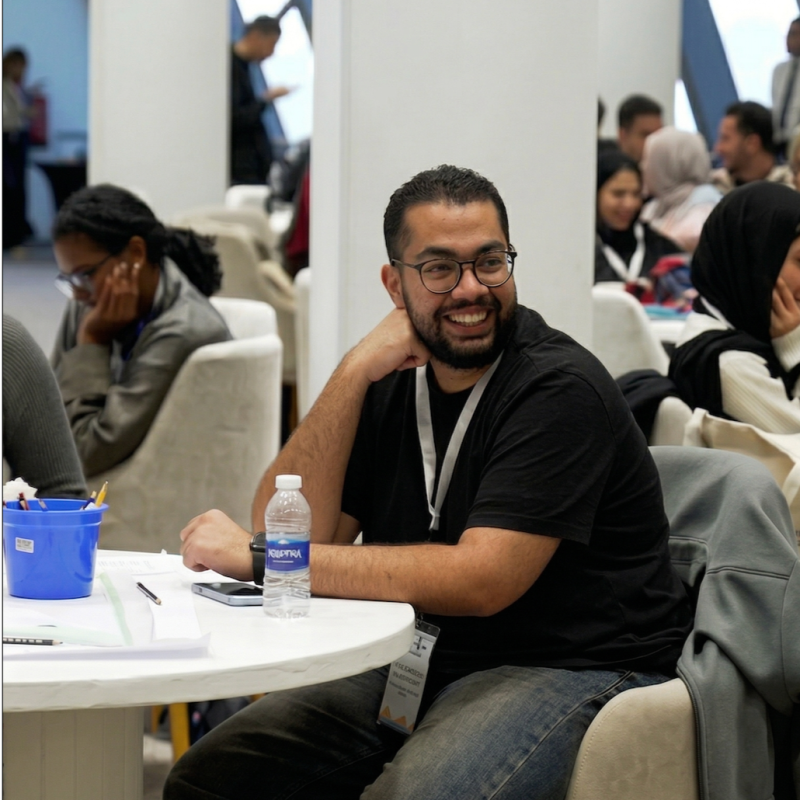
— A short noteI'm not just a computer engineer.
I'm someone who is constantly exploring — new ideas, new tools, and new fields.
I believe learning shouldn't be limited to one path. The more you explore, the more you understand how things connect.
I enjoy building, but I also enjoy understanding — and sharing that knowledge with others.
For me, this is a long journey. And I intend to make the most of it.